
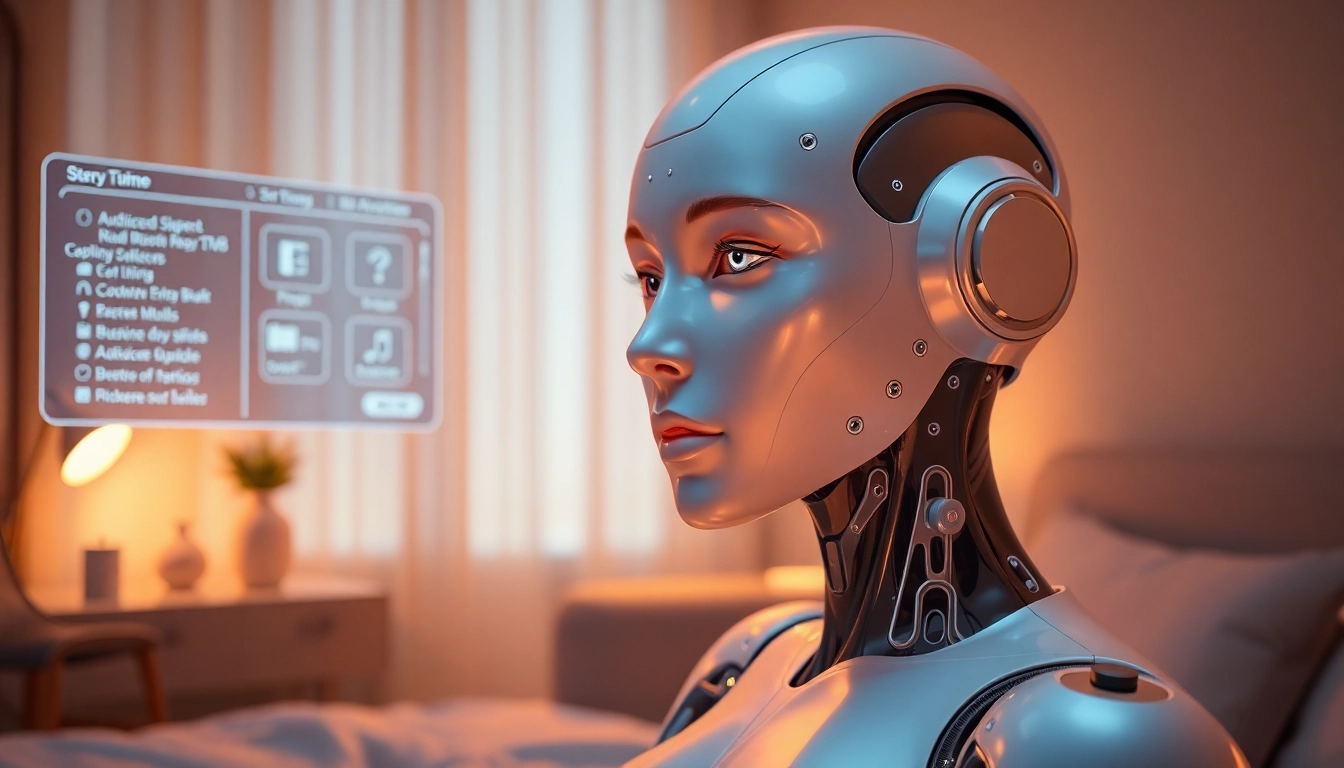
The Rise of Sex Bots: Understanding the Trend
In recent years, the debate surrounding sex bots has gained momentum, driven by technological advancements and changing societal norms. As society becomes more accepting of AI in various facets of life, the inclusion of sex bots in intimate interactions appears to be a natural progression. This article delves into the rise of these sophisticated machines, examining their evolution, current trends, and the psychological and ethical implications of their use.
The Evolution of Sex Bots: A Historical Perspective
The journey of sex bots can be traced back to early iterations of sexual aids that have existed for centuries. However, the modernization of this concept began in the late 20th century with the introduction of robotics and AI technologies. Early examples primarily included simple inflatable dolls designed for sexual pleasure. As technology progressed, the advent of sophisticated robotics and AI algorithms led to the development of more realistic and responsive models.
In the early 2000s, manufacturers began incorporating features such as artificial intelligence, allowing these bots to simulate human interactions. For instance, recent models like Harmony from RealDoll exhibit not only humanoid appearance but also functional conversational abilities, marking a significant leap in user experience.
Current Trends in AI and Human Interaction
Today, the landscape of sex bots is rapidly evolving, with a notable trend towards enhanced realism and interactivity. Cutting-edge features such as voice recognition, emotional responsiveness, and customization options are transforming the way users engage with these companions. In particular, the integration of advanced machine learning allows these bots to learn from interactions, thereby improving user satisfaction. Furthermore, the rise of virtual reality (VR) paired with AI has opened new avenues for immersive experiences, elevating the role of sex bots to that of virtual partners.
Understanding the Appeal: Why Consumers Choose Sex Bots
There are myriad reasons why individuals opt for sex bots as companions. From fulfilling sexual desires without the emotional complexities of human relationships to providing companionship for those who feel lonely, the advantages are compelling. Additionally, the anonymity and control associated with these robots appeal to those who may feel inhibited in traditional romantic settings. For many, sex bots offer a safe space to explore their fantasies without judgment.
Moreover, the increased awareness of mental health issues has underscored the potential therapeutic benefits of sex bots. Many users report enhanced feelings of connection and reduced feelings of isolation. This growing acceptance is reshaping societal perceptions of both sex work and companionship, pushing the boundaries of interpersonal relationships.
The Technology Behind Sex Bots: What You Need to Know
The technology driving sex bots is complex and multi-faceted, incorporating advancements in AI, robotics, and neuroscience. Understanding these elements is crucial for anyone interested in the state of this burgeoning industry.
AI Advances: How Machine Learning Shapes User Experience
At the heart of modern sex bots lies sophisticated artificial intelligence powered by machine learning algorithms. These technologies enable sex bots to adapt to individual preferences, creating a personalized experience for users. For example, bots can learn about a user’s conversational style, responding in ways that resonate with them. Furthermore, AI-driven chat functionalities allow for more natural dialogues, facilitating a deeper sense of intimacy.
Recent advancements in natural language processing (NLP) have made interactions with sex bots increasingly fluid, with bots capable of understanding context and emotional cues. This development not only enhances user engagement but also bridges the gap between human-like interaction and robotic assistance.
Key Features of Modern Sex Bots That Define the Market
- Realistic Appearance: Modern sex bots are often made with high-quality silicone and are designed to closely mimic human bodies.
- Interactive Features: AI integration allows for conversations and responses that reflect user input, making experiences more fulfilling.
- Customizability: Users can often customize physical features, personalities, and even the type of interactions they wish to engage in.
- Advanced Robotics: Many bots can perform basic human-like movements, enhancing the realism of interactions.
- Emotional Intelligence: Some models can detect and respond to user emotions, providing a sense of understanding and companionship.
Safety and Ethical Considerations in AI Development
As technology advances, so do the ethical implications surrounding the use of sex bots. Concerns related to consent, objectification, and the impact on human relationships are paramount. Critics argue that increasing reliance on AI companions could foster unhealthy relationships with humans, potentially resulting in social isolation. Additionally, there are discussions surrounding the regulation of content that these bots can engage with, especially considering the potential for misuse.
Moreover, ensuring user safety is critical. Advances in technology must be matched with ethical guidelines to mitigate risks associated with psychological harm or misuse of AI representations. Developers are beginning to implement measures aimed at providing a safe and respectful user experience, navigating the fine line between technological innovation and ethical responsibility.
Legal Landscape: Navigating Regulations Around Sex Bots
The legal status of sex bots varies significantly across jurisdictions, reflecting cultural attitudes towards technology and sexual relationships. Understanding these laws is essential for both consumers and manufacturers in this industry.
Current Laws Impacting the Use and Sale of Sex Bots
In the United States, laws surrounding sex bots are evolving. Many states have no specific regulations regarding the sale or use of these products. However, issues arise concerning content and representation, particularly in relation to consent and the portrayal of individuals. For instance, the use of deepfake technology in conjunction with sex bots has raised legal flags surrounding privacy and consent.
Internationally, countries such as Japan and Germany have embraced sex bots with varying degrees of regulation. In Japan, the cultural acceptance of sex dolls and robots is higher, leading to a burgeoning market for these products. Conversely, some nations are still grappling with the implications of AI in intimacy and have placed restrictions on their sale and use.
International Perspectives on AI and Sex Work
The worldwide conversation surrounding sex work and the use of AI in intimacy is both dynamic and complex. Different regions are approaching these technologies through varying legal lenses. In some countries, there is a push for the decriminalization of sex work, viewing sex bots as an extension of personal freedom. In contrast, others remain staunchly against the proliferation of such technologies, raising concerns about societal impacts.
As the technology evolves, a more unified global approach may be necessary to address ethical concerns, ensure consumer safety, and acknowledge human rights within the context of intimacy.
Potential Future Legal Changes Affecting the Industry
As the market for sex bots expands, so too does the likelihood of more stringent regulations emerging. Future legal frameworks may address not only the ethical considerations but also the safety and health implications of sex bot usage. Potential developments could include guidelines for manufacturing, consent protocols for AI representation, and safety measures to protect consumers.
By anticipating these changes, stakeholders can better navigate the complexities of this innovative field and foster a more responsible and ethical industry.
Psychological Impacts: The Effects of Using Sex Bots
The psychological implications of using sex bots are profound and multifaceted, encompassing both potential benefits and risks. Understanding these effects can shed light on the role of AI companions in contemporary society.
Therapeutic Benefits: Can Sex Bots Help with Loneliness?
For many, sex bots can serve as tools for combating loneliness and emotional distress. These companions offer an outlet for connection, especially for individuals who struggle with social anxiety or have difficulty forming traditional relationships. Users often report a deep sense of companionship and comfort in their interactions with these AI entities, leading to improved mental health outcomes.
Moreover, studies indicate that utilizing sex bots may help individuals express their desires in a safe environment, fostering healthy relationships with sexuality and self-acceptance. For some, these bots can provide the emotional support needed to navigate personal challenges.
Potential Risks: Psychological and Social Considerations
While the therapeutic benefits of sex bots are significant, there are also potential psychological risks to consider. Dependency on AI companions for emotional fulfillment can lead to increased social isolation and a reduction in meaningful human interactions. Additionally, the potential for users to develop unrealistic expectations of relationships based on their experiences with bots cannot be overlooked.
Research into the long-term effects of using sex bots is still in its infancy. However, professionals urge caution, advocating for balanced use while maintaining human connections in daily life.
Who Benefits? Diverse User Demographics and Their Needs
The user demographics of sex bots are notably diverse, encompassing individuals from various age groups, backgrounds, and relationship statuses. Notably, the market has seen an increasing number of women engaging with sex bots, challenging traditional gender stereotypes associated with sex technology.
Moreover, individuals with disabilities or those needing assistance with social skills often find sex bots beneficial in practicing and navigating relationships. By recognizing the unique needs of these different demographics, the sex bot industry can evolve to serve a wider audience while promoting acceptance and inclusivity.
The Future of Sex Bots: What Lies Ahead?
Looking forward, the sex bot industry is poised for continued innovation, driven by technological advancements and shifting societal perspectives. The future is likely to bring about significant changes in how individuals perceive and interact with AI companions.
Emerging Technologies and Their Implications for Sex Robots
As virtual reality (VR), augmented reality (AR), and AI technologies converge, the future of sex bots presents promising possibilities. Innovations such as integrative VR experiences could allow users to engage in entirely immersive scenarios, redefining intimacy and connection. Additionally, advancements in haptic technology may enable physical sensations that further enhance the user experience.
Emerging technologies could also lead to adaptive learning capabilities, allowing sex bots to intuitively adjust their behaviors based on individual preferences over time, making them even more appealing to users.
Trends to Watch: Sex Bots in a Post-Pandemic World
The COVID-19 pandemic has transformed how people view relationships and intimacy, increasing the reliance on technology. As individuals seek connections while maintaining physical distancing, the demand for sex bots is expected to grow. Furthermore, the normalization of virtual interactions—evident in the rise of teletherapy and online dating—has paved the way for augmented acceptance of AI companions.
This trend may lead to a broader conversation about the future of human relationships and the role of technology in companionship. The shift toward more isolated lifestyles could further propel the demand for solutions that deliver companionship and emotional support.
Consumer Predictions: What Will Users Expect in 2025?
As we look toward 2025, the expectations of users are likely to shift significantly. Individuals will demand greater personalization, with an emphasis on bots that adapt to their unique personalities and preferences. Additionally, the ethical and safety standards governing sex bots will become increasingly important considerations for consumers, with expectations for transparency and accountability from manufacturers.
Ultimately, the evolution of sex bots will reflect broader societal trends and values, underscoring the need for responsible development and usage of this technology in our daily lives.